
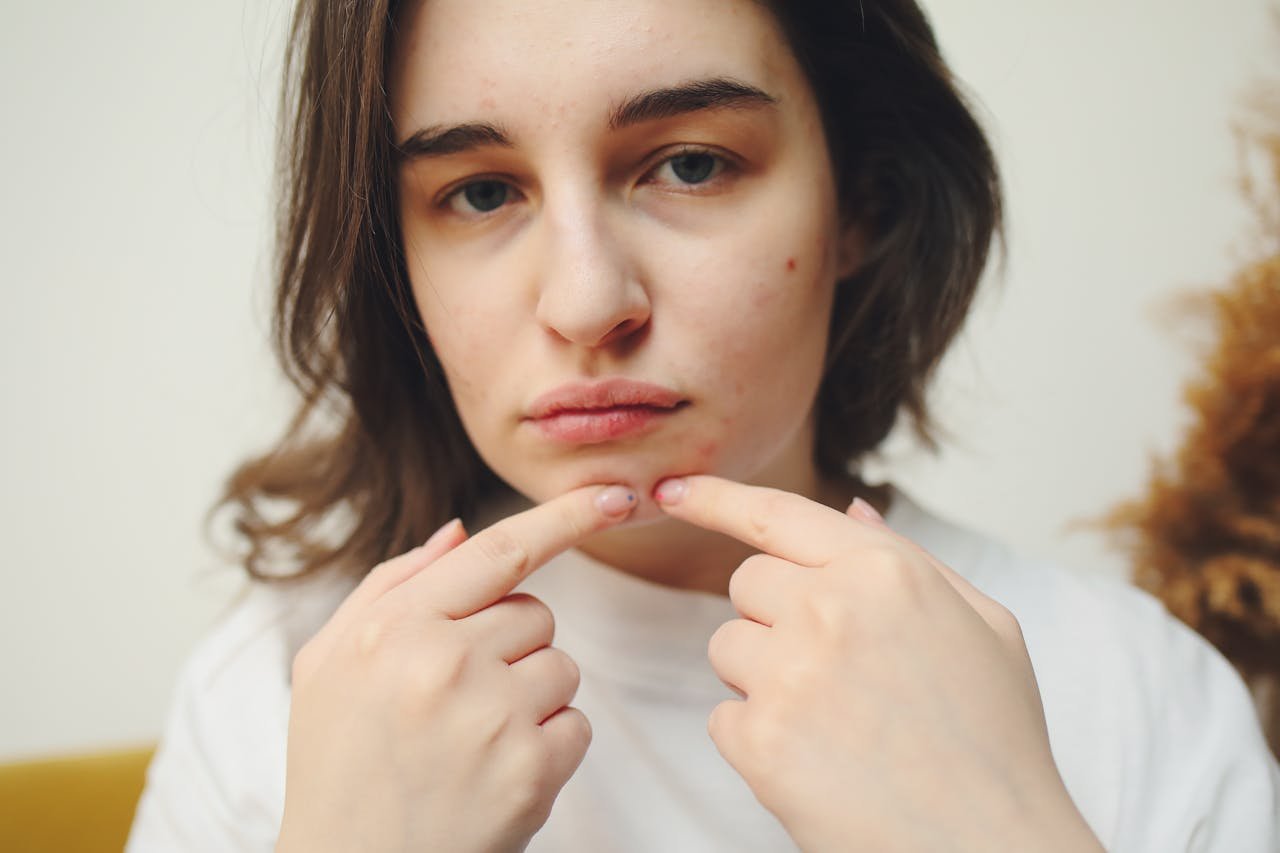
When over-the-counter products fail to deliver results, many Canadians turn to a time-tested professional treatment that dermatologists have relied on for decades: the chemical peel. Far from being just a cosmetic luxury, medical-grade chemical peels offer a scientifically-backed approach to treating acne, reducing scarring, and restoring skin clarity.

At Acne Treatments Ottawa, we offer customized chemical peel treatments designed specifically for acne-prone skin. Here’s everything you need to know about how this powerful exfoliation technique can transform your complexion.

What Is a Medical-Grade Chemical Peel?

A chemical peel involves applying a controlled chemical solution to the skin that causes the outer layers to exfoliate and eventually peel off. This process reveals newer, healthier skin underneath while triggering your body’s natural healing and regeneration processes.

Unlike drugstore exfoliating products, medical-grade peels use professional-strength formulations that penetrate deeper and produce more significant results. The controlled damage prompts skin regeneration and remodeling, improving overall skin appearance and texture in ways that surface-level products simply cannot achieve.

Chemical peels have been used in dermatology for over a century. Today, they remain one of the most popular cosmetic procedures performed in clinical settings, with millions of treatments administered annually across North America.

How Chemical Peels Work for Acne

Chemical peels address acne through multiple mechanisms, making them particularly effective for stubborn breakouts:

Deep Exfoliation

The primary action of a chemical peel is to break down the bonds between dead skin cells, allowing them to shed more efficiently. This removes the buildup of dead cells, excess oil, and debris that clog pores and create the foundation for acne lesions.

Antibacterial Action

Many peeling agents, particularly salicylic acid, have direct antibacterial properties. They help reduce the population of Cutibacterium acnes bacteria that contribute to inflammatory acne. By understanding what causes acne at the bacterial level, we can appreciate how chemical peels interrupt the acne cycle.

Anti-Inflammatory Effects

Chemical peels can calm irritated skin and reduce the redness and swelling associated with inflammatory acne. This makes them an excellent option for those dealing with inflamed papules, pustules, or cystic acne.

Improved Product Penetration

After a chemical peel, your skin can absorb topical acne treatments more effectively. This synergistic effect means your at-home skincare routine becomes more powerful following professional peel treatments.

Collagen Stimulation

Medium and deep peels stimulate collagen production, which is essential for healing acne scars and improving overall skin texture. This dual action—treating active acne while addressing scarring—makes chemical peels particularly valuable for comprehensive acne management.

Types of Chemical Peels for Acne

Chemical peels are classified by their depth of penetration: superficial, medium, and deep. For acne treatment, superficial and medium-depth peels are most commonly used.

Superficial Peels

These peels affect only the epidermis (outer skin layer) and are ideal for mild to moderate acne. They require minimal downtime and can typically be performed every 2-4 weeks.

Salicylic Acid Peels: The gold standard for acne-prone skin. Salicylic acid is a beta hydroxy acid (BHA) that’s oil-soluble, allowing it to penetrate deep into pores to dissolve sebum and debris. It’s particularly effective for comedonal acne (blackheads and whiteheads) and has anti-inflammatory properties.

Glycolic Acid Peels: This alpha hydroxy acid (AHA) effectively exfoliates the skin surface and promotes cell turnover. Glycolic acid peels are effective for treating mild to moderate acne, improving skin texture, and fading post-inflammatory hyperpigmentation.

Lactic Acid Peels: Gentler than glycolic acid, lactic acid peels are often recommended for sensitive or dry acne-prone skin. They help exfoliate while improving hydration and reducing the appearance of acne scars.

Mandelic Acid Peels: Derived from almonds, mandelic acid has both antibacterial and keratolytic properties. It’s particularly suitable for darker skin tones due to its lower risk of causing hyperpigmentation.

Medium-Depth Peels

These peels penetrate through the epidermis into the papillary dermis, providing more dramatic results with additional downtime.

TCA (Trichloroacetic Acid) Peels: TCA peels are stronger and penetrate deeper into the skin. They’re typically used for more severe acne and for reducing the appearance of acne scars. Toronto dermatologists note that TCA peels are significantly more effective than glycolic acid peels for many acne concerns.

Jessner’s Peel: A combination of salicylic acid, lactic acid, and resorcinol, Jessner’s solution is highly effective for acne treatment. The combination of compounds provides keratolytic, bactericidal, and exfoliating actions simultaneously.

Combination Approaches

Many Ottawa clinics, including ours, use layered or combination peel approaches. For example, a modified Jessner’s peel may be layered with TCA for enhanced results, or peels may be combined with other treatments like laser therapy for comprehensive skin rejuvenation.

What to Expect During Treatment

Understanding the treatment process helps ensure you’re prepared and comfortable with your chemical peel experience.

Pre-Treatment Consultation

Your skincare professional will conduct a thorough assessment of your skin type, acne severity, and treatment goals. This consultation determines which peel is most appropriate for your specific needs. Factors considered include your skin’s sensitivity, any current medications, history of scarring, and desired outcomes.

The Treatment Process

  1. Cleansing: Your skin is thoroughly cleansed to remove oils and debris
  2. Application: The chemical solution is carefully applied in controlled layers
  3. Monitoring: Your provider monitors skin response and adjusts timing accordingly
  4. Neutralization: Some peels require neutralization; others are self-limiting
  5. Protection: Post-treatment products are applied to soothe and protect skin

Treatment time varies from 15-45 minutes depending on the peel type.

Sensations During Treatment

Most patients experience tingling, warmth, or mild stinging during application. These sensations are normal and typically subside quickly. Your provider will ensure your comfort throughout the procedure.

Recovery and Aftercare

Recovery time depends on peel depth:

Superficial Peels: Minimal downtime. You may experience slight redness and mild flaking for 1-3 days. Most people return to normal activities immediately.

Medium-Depth Peels: Expect 5-7 days of visible peeling and redness. Skin may appear darker before it peels, which is normal. Plan to avoid social events during the peeling phase.

Essential Aftercare Guidelines

  • Avoid sun exposure: New skin is extremely sensitive to UV damage. Use broad-spectrum SPF 30+ daily and wear protective clothing
  • Keep skin hydrated: Use gentle, non-comedogenic moisturizers as directed
  • Don’t pick or peel: Allow skin to shed naturally to prevent scarring
  • Avoid active ingredients: Hold off on retinoids, vitamin C, and other actives until cleared by your provider
  • Skip makeup: Wait at least 24-48 hours before applying makeup to freshly peeled skin

Who Is a Good Candidate?

Chemical peels for acne are suitable for most skin types when properly matched to individual needs. Ideal candidates include those with:

  • Mild to moderate acne that hasn’t responded to over-the-counter treatments
  • Comedonal acne (blackheads and whiteheads)
  • Inflammatory acne with papules and pustules
  • Post-inflammatory hyperpigmentation from previous breakouts
  • Desire to improve overall skin texture and tone

Who Should Avoid Chemical Peels?

Certain conditions may make chemical peels inadvisable:

  • Current use of isotretinoin (Accutane)—wait at least 6 months after discontinuing
  • Active cold sores or skin infections
  • Recent facial surgery or radiation therapy
  • Pregnancy or breastfeeding (for certain peel types)
  • History of keloid scarring

Those with darker skin tones should work with experienced providers to select appropriate peels and minimize hyperpigmentation risk.

Integrating Chemical Peels Into Your Acne Treatment Plan

Chemical peels work best as part of a comprehensive acne management strategy. At Acne Treatments Ottawa, we often combine peels with:

Expected Results and Treatment Frequency

Most patients see improvement after a single peel, but optimal results typically require a series of treatments. For acne management, a series of 4-6 superficial peels spaced 2-4 weeks apart is common. Maintenance peels every 4-8 weeks help sustain results.

Results include:

  • Reduced active breakouts
  • Smaller-appearing pores
  • Improved skin texture and smoothness
  • Diminished post-acne marks and mild scarring
  • More even skin tone
  • Enhanced product absorption

Your Clear Skin Journey Starts Here

Chemical peels offer a proven, effective approach to managing acne when over-the-counter products fall short. With proper patient selection and professional application, they provide reliable results with an excellent safety profile.

At Acne Treatments Ottawa, our SkinCeuticals and Alumier chemical peels are customized to your unique skin concerns. Our experienced team will guide you through every step, from consultation to aftercare.

Ready to experience the transformative power of professional chemical peels? Contact us today to schedule your consultation and take the first step toward clearer, healthier skin.

Adult Acne in Ottawa: Why 1 in 5 Women Experience Breakouts After Their Teens

Feb 26, 2026 | Acnetreatment | 0 comments

hormonal acne jawline chin woman dermatology

If you thought acne would disappear once you left your teenage years behind, you’re not alone. The reality is that adult acne affects millions of Canadian women, and the numbers are rising. According to the Canadian Dermatology Association, women make up 75 per cent of all adult acne cases, with approximately one in five women experiencing persistent or new-onset breakouts well into their 20s, 30s, and beyond.

At Acne Treatments Ottawa, we see this every day. Women who assumed their skin troubles were over find themselves dealing with stubborn breakouts that don’t respond to the same treatments that worked in their youth. Understanding why adult female acne behaves differently is the key to finally achieving clear skin.

The Growing Epidemic of Adult Female Acne

Research shows that adult acne is becoming increasingly common. Over 50 per cent of women in their 20s and more than 35 per cent of women aged 30 to 39 struggle with acne. Even 25 per cent of women in their 40s continue to experience breakouts. These aren’t just minor blemishes—many women deal with painful, cystic acne that can leave lasting scars.

What’s particularly frustrating for many Ottawa women is that adult acne often appears even in those who had perfectly clear skin as teenagers. This “late-onset” acne can feel especially unfair, arriving at a time when you expected your skin concerns to be firmly in the past.

Why Women Are More Affected Than Men

The simple answer is hormones—but the full picture is more complex. While teenage boys typically experience more severe acne during puberty due to surging testosterone levels, the tables turn in adulthood. Women’s bodies undergo continuous hormonal fluctuations throughout their lives, creating multiple opportunities for breakouts to develop.

The Hormonal Connection

Female hormones don’t follow a straight line. Every month, your body cycles through significant changes in estrogen, progesterone, and androgens. These fluctuations directly impact your sebaceous glands and skin cell turnover, which explains why many women notice hormonal breakouts appearing like clockwork before their menstrual periods.

Key hormonal triggers for adult female acne include:

  • Menstrual cycles: The drop in estrogen before your period allows androgens to dominate, stimulating oil production
  • Pregnancy: Dramatic hormonal shifts can trigger acne in some women while clearing it in others
  • Perimenopause and menopause: Declining estrogen levels relative to androgens often leads to new breakouts
  • Polycystic ovary syndrome (PCOS): This common condition causes elevated androgens and frequently presents with acne
  • Starting or stopping birth control: Hormonal contraceptives directly affect androgen levels

The Stress Factor

Modern life places enormous demands on women, and your skin often bears the evidence. When you’re stressed, your body produces cortisol, which triggers a cascade of effects including increased oil production and inflammation. Canadian dermatologists note that stress and acne share a bidirectional relationship—stress worsens acne, and visible acne increases stress, creating a difficult cycle to break.

Research from the University of British Columbia confirms that while the exact mechanisms aren’t fully understood, stress clearly influences multiple acne pathways simultaneously. For many adult women juggling careers, families, and personal responsibilities, managing stress becomes an essential component of skincare.

How Adult Acne Differs From Teenage Acne

Understanding the differences between adolescent and adult acne helps explain why your old treatments may no longer work.

Location Patterns

Teenage acne typically appears across the T-zone—forehead, nose, and chin—where oil glands are most active during puberty. Adult female acne tends to concentrate along the jawline, chin, and lower cheeks. This “U-zone” pattern is a hallmark of hormonally-driven breakouts and often presents as deep, painful cysts rather than surface-level pimples.

Skin Sensitivity

Adult skin behaves differently than teenage skin. It’s often simultaneously oily in some areas and dry in others, with increased sensitivity to harsh treatments. The aggressive benzoyl peroxide washes and alcohol-based toners that worked at 16 may now cause irritation, redness, and even more breakouts.

Slower Healing

As we age, our skin’s natural healing processes slow down. This means adult acne lesions often take longer to resolve and are more likely to leave behind post-inflammatory hyperpigmentation or acne scars. Early, effective treatment becomes even more important to prevent lasting damage.

Common Triggers for Adult Female Acne

While hormones play the leading role, several other factors can trigger or worsen breakouts in adult women:

Skincare and Makeup Products

Using products that are too heavy or contain pore-clogging ingredients can contribute to acne. Look for non-comedogenic formulations, and remember that “natural” doesn’t automatically mean acne-safe. Many botanical oils can actually worsen breakouts.

Dietary Factors

While the connection between diet and acne continues to be researched, evidence suggests that high-glycemic foods and dairy may worsen breakouts in some women. Blood sugar spikes increase insulin levels, which can stimulate oil production and inflammation.

Medications

Certain medications commonly prescribed to women can trigger acne as a side effect. These include some antidepressants, corticosteroids, and certain hormonal treatments. If you’ve noticed breakouts coinciding with a new prescription, discuss alternatives with your healthcare provider.

Environmental Factors

Ottawa’s climate presents unique challenges. Cold, dry winters can compromise your skin barrier, while humidity in summer months can increase oil production. Air pollution and wearing masks for extended periods can also contribute to breakouts.

Effective Treatment Approaches for Adult Women

The 2024 American Academy of Dermatology guidelines, which Canadian practitioners reference, emphasize that adult female acne often requires different treatment strategies than adolescent acne.

Topical Treatments

Adult-appropriate topical treatments focus on being effective without over-drying or irritating mature skin. Retinoids remain a cornerstone of treatment, but gentler formulations may be more suitable. The introduction of topical anti-androgen treatments represents a significant advancement specifically for hormonally-driven adult female acne.

Professional Treatments

When at-home treatments aren’t providing adequate results after eight to twelve weeks, professional interventions can make a significant difference. Options include:

  • Chemical peels: Customized peels can address active acne while improving skin texture and tone
  • Laser treatments: Target acne-causing bacteria and reduce inflammation without harsh chemicals
  • OxyGeneo treatments: Balance and purify oily, acne-prone skin while providing gentle exfoliation

Hormonal Therapies

For women whose acne is clearly hormone-driven, treatments that address the underlying hormonal imbalance can be highly effective. Combined oral contraceptives and spironolactone are among the options that dermatologists may recommend, though these require medical supervision.

When to Seek Professional Help

Canadian clinical guidelines recommend consulting a skin specialist if:

  • Your acne is causing scarring
  • Over-the-counter treatments haven’t worked after 8-12 weeks
  • Your breakouts are affecting your mental health or quality of life
  • You suspect hormonal factors are involved
  • Acne is appearing on your chest, back, or other body areas

Taking Control of Your Skin

Adult acne doesn’t have to be your reality. Understanding that your breakouts likely have hormonal roots—and that effective treatments exist—is the first step toward clearer skin.

At Acne Treatments Ottawa, our experienced nurse practitioner and Medical Estheticians specialize in helping adult women overcome stubborn breakouts. We offer comprehensive skin analysis and personalized treatment plans that account for the unique needs of mature, acne-prone skin.

Ready to finally address your adult acne? Contact us today to schedule a consultation and discover which treatments are right for your skin.