

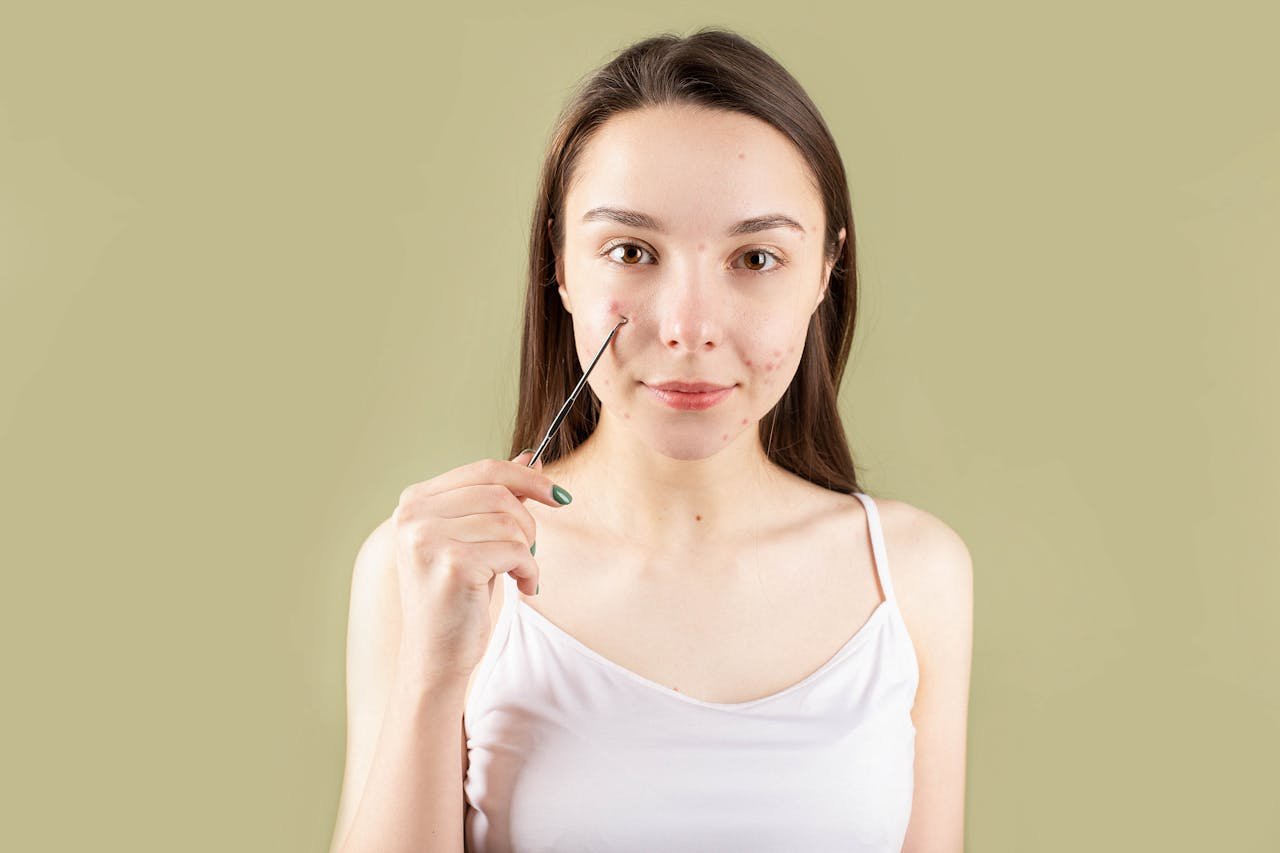
Acne affects approximately 20 per cent of all Canadians, according to the Acne and Rosacea Society of Canada. While often associated with teenagers, this common skin condition can persist well into adulthood, impacting confidence and quality of life. Understanding what causes acne is the first step toward effectively managing breakouts and achieving clearer skin.
At Acne Treatments Ottawa, our experienced nurse practitioner and Medical Estheticians see firsthand how breakouts affect people of all ages. The good news? Once you understand the science behind acne formation, you can take targeted action to address it.
The Four Primary Pathways of Acne Development
Acne develops within the pilosebaceous unit, the structure containing your hair follicle and sebaceous (oil) gland. According to Canadian clinical practice guidelines, four interconnected factors drive acne formation:
1. Excess Sebum Production
Sebaceous glands produce sebum, a naturally occurring oil that protects and moisturizes your skin. When these glands become overactive, they produce more oil than your skin can handle. This excess sebum accumulates within the follicle, creating the foundation for acne lesions. Hormonal changes, particularly increases in androgens, directly stimulate sebum production.
2. Follicular Hyperkeratinization (Clogged Pores)
The causes of clogged pores go beyond simple dirt buildup. Your skin naturally sheds dead cells, but sometimes these cells don’t shed properly. Instead, they accumulate within the follicle and mix with sebum, forming a plug called a microcomedone. This blockage traps oil and creates an oxygen-depleted environment where acne-causing bacteria thrive.
3. Bacterial Colonization
Cutibacterium acnes (formerly Propionibacterium acnes) is a bacterium that naturally lives on everyone’s skin. While it plays a beneficial role in skin health under normal conditions, problems arise when follicles become clogged. Trapped within blocked pores, C. acnes multiplies rapidly in the oxygen-deprived, oil-rich environment, triggering an immune response that leads to inflammation.
4. Inflammatory Response
Your immune system responds to bacterial overgrowth by sending inflammatory cells to the affected follicle. This process creates the redness, swelling, and tenderness characteristic of inflammatory acne. In severe cases, intense inflammation can damage surrounding tissue and lead to permanent scarring, which is why early acne scarring treatments intervention can be so valuable.
Key Factors That Trigger and Worsen Acne
Hormonal Fluctuations
Hormones play a central role in acne development, which explains why breakouts often coincide with puberty, menstruation, pregnancy, and menopause. Androgens like testosterone stimulate sebaceous glands to produce more oil, while fluctuations in estrogen and progesterone can affect skin cell turnover. If you’re experiencing hormonal breakouts, understanding how hormones affect skin can help guide your treatment approach.
Stress and Cortisol
Research confirms what many people observe: stress makes acne worse. When you’re stressed, your body produces cortisol, which stimulates oil production and can disrupt sleep and immune function. Canadian dermatologist Dr. Monica Li from the University of British Columbia notes that while the exact mechanisms aren’t fully understood, stress clearly influences multiple acne pathways. Learn more about how stress affects skin and strategies for managing stress breakouts.
Genetic Predisposition
A 2023 study published in the International Journal of General Medicine concluded that both genetics and environment play significant roles in acne development. If your parents experienced acne, you’re more likely to develop it yourself. Genetic factors influence sebum production levels, inflammatory responses, and how your skin sheds dead cells.
Dietary Factors
While the link between diet and acne remains an active area of research, emerging evidence suggests that high-glycemic foods may worsen breakouts in some individuals. These foods cause rapid blood sugar spikes, increasing insulin and insulin-like growth factor (IGF-1), which can stimulate oil production. Explore how diet can affect acne and whether dietary changes might help your skin.
Medications
Certain medications can trigger or worsen acne as a side effect. Corticosteroids, anticonvulsants, lithium, and some hormonal medications are common culprits. If you’ve noticed breakouts coinciding with a new medication, speak with your healthcare provider about potential alternatives.
Debunking Common Acne Myths
Dr. Kerri Purdy, head of Dalhousie University’s Department of Dermatology, emphasizes that poor hygiene does not cause acne. While maintaining good skincare habits is important, over-washing can actually irritate skin and worsen breakouts. Similarly, eating pizza or chocolate isn’t directly responsible for causing acne, though certain dietary patterns may influence breakouts in some people.
What matters most is addressing the underlying biological factors driving acne formation. Using excessively oily skincare products can increase the risk, and sweaty clothing against the skin may contribute to body acne on the chest and back.
When to Seek Professional Treatment
If over-the-counter products aren’t providing adequate results after eight to twelve weeks of consistent use, or if your acne is causing scarring or significant psychological impact, professional treatment can make a meaningful difference. Canadian clinical guidelines recommend various approaches depending on acne type and severity, from topical retinoids and chemical peels to advanced laser therapies.
Your Path to Clearer Skin
Understanding what causes acne empowers you to make informed decisions about your skincare. Whether your breakouts are driven by hormonal factors, environmental triggers, or a combination of influences, effective treatment options exist.
At Acne Treatments Ottawa, we offer comprehensive skin analysis and personalized treatment plans tailored to your unique needs. From carbon laser peels that target acne-causing bacteria to gentle organic facials that restore balance, our experienced team can help you achieve the clear, healthy skin you deserve.
Ready to take the next step? Contact us today to schedule your personalized consultation and discover which treatments are right for your skin.