
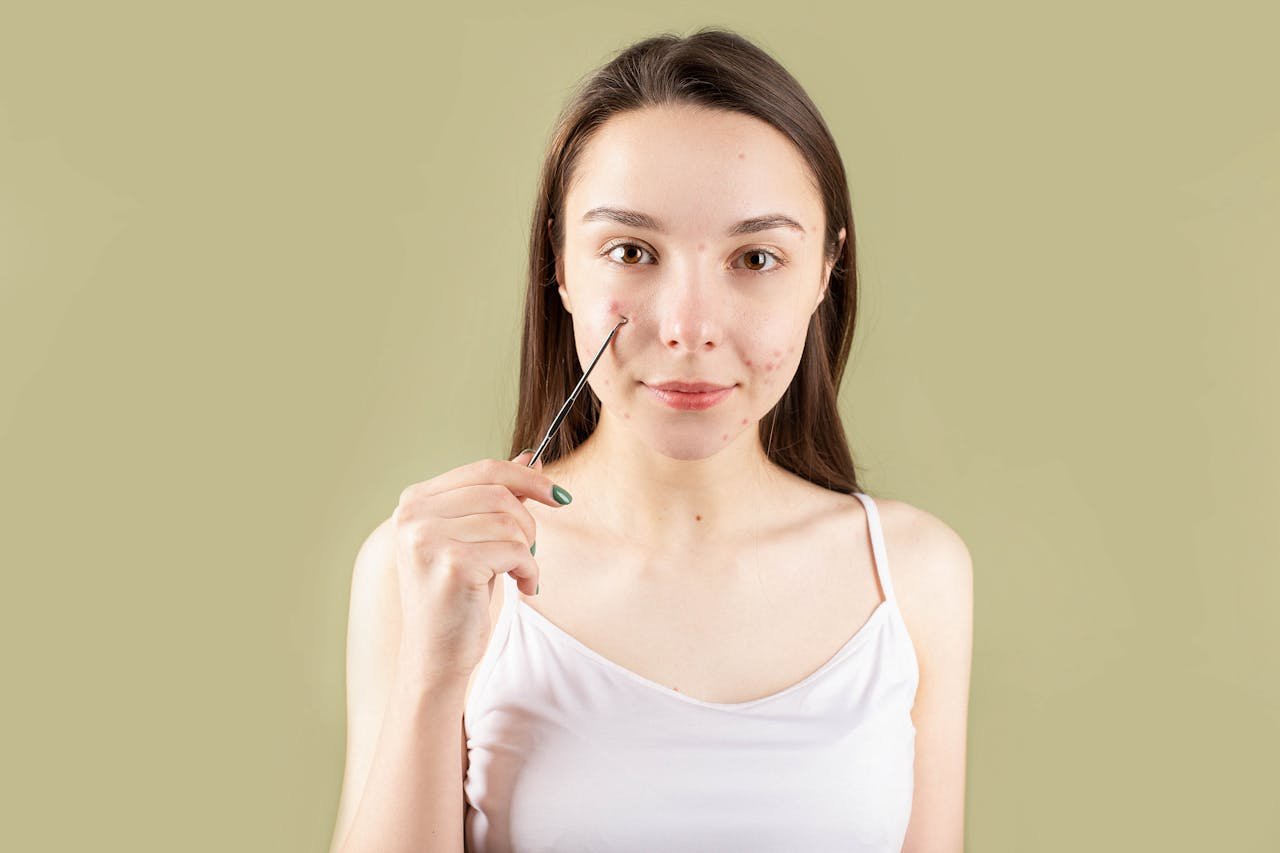
When over-the-counter products fail to deliver results, many Canadians turn to a time-tested professional treatment that dermatologists have relied on for decades: the chemical peel. Far from being just a cosmetic luxury, medical-grade chemical peels offer a scientifically-backed approach to treating acne, reducing scarring, and restoring skin clarity.

At Acne Treatments Ottawa, we offer customized chemical peel treatments designed specifically for acne-prone skin. Here’s everything you need to know about how this powerful exfoliation technique can transform your complexion.

What Is a Medical-Grade Chemical Peel?

A chemical peel involves applying a controlled chemical solution to the skin that causes the outer layers to exfoliate and eventually peel off. This process reveals newer, healthier skin underneath while triggering your body’s natural healing and regeneration processes.

Unlike drugstore exfoliating products, medical-grade peels use professional-strength formulations that penetrate deeper and produce more significant results. The controlled damage prompts skin regeneration and remodeling, improving overall skin appearance and texture in ways that surface-level products simply cannot achieve.

Chemical peels have been used in dermatology for over a century. Today, they remain one of the most popular cosmetic procedures performed in clinical settings, with millions of treatments administered annually across North America.

How Chemical Peels Work for Acne

Chemical peels address acne through multiple mechanisms, making them particularly effective for stubborn breakouts:

Deep Exfoliation

The primary action of a chemical peel is to break down the bonds between dead skin cells, allowing them to shed more efficiently. This removes the buildup of dead cells, excess oil, and debris that clog pores and create the foundation for acne lesions.

Antibacterial Action

Many peeling agents, particularly salicylic acid, have direct antibacterial properties. They help reduce the population of Cutibacterium acnes bacteria that contribute to inflammatory acne. By understanding what causes acne at the bacterial level, we can appreciate how chemical peels interrupt the acne cycle.

Anti-Inflammatory Effects

Chemical peels can calm irritated skin and reduce the redness and swelling associated with inflammatory acne. This makes them an excellent option for those dealing with inflamed papules, pustules, or cystic acne.

Improved Product Penetration

After a chemical peel, your skin can absorb topical acne treatments more effectively. This synergistic effect means your at-home skincare routine becomes more powerful following professional peel treatments.

Collagen Stimulation

Medium and deep peels stimulate collagen production, which is essential for healing acne scars and improving overall skin texture. This dual action—treating active acne while addressing scarring—makes chemical peels particularly valuable for comprehensive acne management.

Types of Chemical Peels for Acne

Chemical peels are classified by their depth of penetration: superficial, medium, and deep. For acne treatment, superficial and medium-depth peels are most commonly used.

Superficial Peels

These peels affect only the epidermis (outer skin layer) and are ideal for mild to moderate acne. They require minimal downtime and can typically be performed every 2-4 weeks.

Salicylic Acid Peels: The gold standard for acne-prone skin. Salicylic acid is a beta hydroxy acid (BHA) that’s oil-soluble, allowing it to penetrate deep into pores to dissolve sebum and debris. It’s particularly effective for comedonal acne (blackheads and whiteheads) and has anti-inflammatory properties.

Glycolic Acid Peels: This alpha hydroxy acid (AHA) effectively exfoliates the skin surface and promotes cell turnover. Glycolic acid peels are effective for treating mild to moderate acne, improving skin texture, and fading post-inflammatory hyperpigmentation.

Lactic Acid Peels: Gentler than glycolic acid, lactic acid peels are often recommended for sensitive or dry acne-prone skin. They help exfoliate while improving hydration and reducing the appearance of acne scars.

Mandelic Acid Peels: Derived from almonds, mandelic acid has both antibacterial and keratolytic properties. It’s particularly suitable for darker skin tones due to its lower risk of causing hyperpigmentation.

Medium-Depth Peels

These peels penetrate through the epidermis into the papillary dermis, providing more dramatic results with additional downtime.

TCA (Trichloroacetic Acid) Peels: TCA peels are stronger and penetrate deeper into the skin. They’re typically used for more severe acne and for reducing the appearance of acne scars. Toronto dermatologists note that TCA peels are significantly more effective than glycolic acid peels for many acne concerns.

Jessner’s Peel: A combination of salicylic acid, lactic acid, and resorcinol, Jessner’s solution is highly effective for acne treatment. The combination of compounds provides keratolytic, bactericidal, and exfoliating actions simultaneously.

Combination Approaches

Many Ottawa clinics, including ours, use layered or combination peel approaches. For example, a modified Jessner’s peel may be layered with TCA for enhanced results, or peels may be combined with other treatments like laser therapy for comprehensive skin rejuvenation.

What to Expect During Treatment

Understanding the treatment process helps ensure you’re prepared and comfortable with your chemical peel experience.

Pre-Treatment Consultation

Your skincare professional will conduct a thorough assessment of your skin type, acne severity, and treatment goals. This consultation determines which peel is most appropriate for your specific needs. Factors considered include your skin’s sensitivity, any current medications, history of scarring, and desired outcomes.

The Treatment Process

  1. Cleansing: Your skin is thoroughly cleansed to remove oils and debris
  2. Application: The chemical solution is carefully applied in controlled layers
  3. Monitoring: Your provider monitors skin response and adjusts timing accordingly
  4. Neutralization: Some peels require neutralization; others are self-limiting
  5. Protection: Post-treatment products are applied to soothe and protect skin

Treatment time varies from 15-45 minutes depending on the peel type.

Sensations During Treatment

Most patients experience tingling, warmth, or mild stinging during application. These sensations are normal and typically subside quickly. Your provider will ensure your comfort throughout the procedure.

Recovery and Aftercare

Recovery time depends on peel depth:

Superficial Peels: Minimal downtime. You may experience slight redness and mild flaking for 1-3 days. Most people return to normal activities immediately.

Medium-Depth Peels: Expect 5-7 days of visible peeling and redness. Skin may appear darker before it peels, which is normal. Plan to avoid social events during the peeling phase.

Essential Aftercare Guidelines

  • Avoid sun exposure: New skin is extremely sensitive to UV damage. Use broad-spectrum SPF 30+ daily and wear protective clothing
  • Keep skin hydrated: Use gentle, non-comedogenic moisturizers as directed
  • Don’t pick or peel: Allow skin to shed naturally to prevent scarring
  • Avoid active ingredients: Hold off on retinoids, vitamin C, and other actives until cleared by your provider
  • Skip makeup: Wait at least 24-48 hours before applying makeup to freshly peeled skin

Who Is a Good Candidate?

Chemical peels for acne are suitable for most skin types when properly matched to individual needs. Ideal candidates include those with:

  • Mild to moderate acne that hasn’t responded to over-the-counter treatments
  • Comedonal acne (blackheads and whiteheads)
  • Inflammatory acne with papules and pustules
  • Post-inflammatory hyperpigmentation from previous breakouts
  • Desire to improve overall skin texture and tone

Who Should Avoid Chemical Peels?

Certain conditions may make chemical peels inadvisable:

  • Current use of isotretinoin (Accutane)—wait at least 6 months after discontinuing
  • Active cold sores or skin infections
  • Recent facial surgery or radiation therapy
  • Pregnancy or breastfeeding (for certain peel types)
  • History of keloid scarring

Those with darker skin tones should work with experienced providers to select appropriate peels and minimize hyperpigmentation risk.

Integrating Chemical Peels Into Your Acne Treatment Plan

Chemical peels work best as part of a comprehensive acne management strategy. At Acne Treatments Ottawa, we often combine peels with:

Expected Results and Treatment Frequency

Most patients see improvement after a single peel, but optimal results typically require a series of treatments. For acne management, a series of 4-6 superficial peels spaced 2-4 weeks apart is common. Maintenance peels every 4-8 weeks help sustain results.

Results include:

  • Reduced active breakouts
  • Smaller-appearing pores
  • Improved skin texture and smoothness
  • Diminished post-acne marks and mild scarring
  • More even skin tone
  • Enhanced product absorption

Your Clear Skin Journey Starts Here

Chemical peels offer a proven, effective approach to managing acne when over-the-counter products fall short. With proper patient selection and professional application, they provide reliable results with an excellent safety profile.

At Acne Treatments Ottawa, our SkinCeuticals and Alumier chemical peels are customized to your unique skin concerns. Our experienced team will guide you through every step, from consultation to aftercare.

Ready to experience the transformative power of professional chemical peels? Contact us today to schedule your consultation and take the first step toward clearer, healthier skin.

What Causes Acne? Understanding the Science Behind Breakouts

Feb 26, 2026 | Acnetreatment | 0 comments

facial acne close-up skin inflammation

Acne affects approximately 20 per cent of all Canadians, according to the Acne and Rosacea Society of Canada. While often associated with teenagers, this common skin condition can persist well into adulthood, impacting confidence and quality of life. Understanding what causes acne is the first step toward effectively managing breakouts and achieving clearer skin.

At Acne Treatments Ottawa, our experienced nurse practitioner and Medical Estheticians see firsthand how breakouts affect people of all ages. The good news? Once you understand the science behind acne formation, you can take targeted action to address it.

The Four Primary Pathways of Acne Development

Acne develops within the pilosebaceous unit, the structure containing your hair follicle and sebaceous (oil) gland. According to Canadian clinical practice guidelines, four interconnected factors drive acne formation:

1. Excess Sebum Production

Sebaceous glands produce sebum, a naturally occurring oil that protects and moisturizes your skin. When these glands become overactive, they produce more oil than your skin can handle. This excess sebum accumulates within the follicle, creating the foundation for acne lesions. Hormonal changes, particularly increases in androgens, directly stimulate sebum production.

2. Follicular Hyperkeratinization (Clogged Pores)

The causes of clogged pores go beyond simple dirt buildup. Your skin naturally sheds dead cells, but sometimes these cells don’t shed properly. Instead, they accumulate within the follicle and mix with sebum, forming a plug called a microcomedone. This blockage traps oil and creates an oxygen-depleted environment where acne-causing bacteria thrive.

3. Bacterial Colonization

Cutibacterium acnes (formerly Propionibacterium acnes) is a bacterium that naturally lives on everyone’s skin. While it plays a beneficial role in skin health under normal conditions, problems arise when follicles become clogged. Trapped within blocked pores, C. acnes multiplies rapidly in the oxygen-deprived, oil-rich environment, triggering an immune response that leads to inflammation.

4. Inflammatory Response

Your immune system responds to bacterial overgrowth by sending inflammatory cells to the affected follicle. This process creates the redness, swelling, and tenderness characteristic of inflammatory acne. In severe cases, intense inflammation can damage surrounding tissue and lead to permanent scarring, which is why early acne scarring treatments intervention can be so valuable.

Key Factors That Trigger and Worsen Acne

Hormonal Fluctuations

Hormones play a central role in acne development, which explains why breakouts often coincide with puberty, menstruation, pregnancy, and menopause. Androgens like testosterone stimulate sebaceous glands to produce more oil, while fluctuations in estrogen and progesterone can affect skin cell turnover. If you’re experiencing hormonal breakouts, understanding how hormones affect skin can help guide your treatment approach.

Stress and Cortisol

Research confirms what many people observe: stress makes acne worse. When you’re stressed, your body produces cortisol, which stimulates oil production and can disrupt sleep and immune function. Canadian dermatologist Dr. Monica Li from the University of British Columbia notes that while the exact mechanisms aren’t fully understood, stress clearly influences multiple acne pathways. Learn more about how stress affects skin and strategies for managing stress breakouts.

Genetic Predisposition

A 2023 study published in the International Journal of General Medicine concluded that both genetics and environment play significant roles in acne development. If your parents experienced acne, you’re more likely to develop it yourself. Genetic factors influence sebum production levels, inflammatory responses, and how your skin sheds dead cells.

Dietary Factors

While the link between diet and acne remains an active area of research, emerging evidence suggests that high-glycemic foods may worsen breakouts in some individuals. These foods cause rapid blood sugar spikes, increasing insulin and insulin-like growth factor (IGF-1), which can stimulate oil production. Explore how diet can affect acne and whether dietary changes might help your skin.

Medications

Certain medications can trigger or worsen acne as a side effect. Corticosteroids, anticonvulsants, lithium, and some hormonal medications are common culprits. If you’ve noticed breakouts coinciding with a new medication, speak with your healthcare provider about potential alternatives.

Debunking Common Acne Myths

Dr. Kerri Purdy, head of Dalhousie University’s Department of Dermatology, emphasizes that poor hygiene does not cause acne. While maintaining good skincare habits is important, over-washing can actually irritate skin and worsen breakouts. Similarly, eating pizza or chocolate isn’t directly responsible for causing acne, though certain dietary patterns may influence breakouts in some people.

What matters most is addressing the underlying biological factors driving acne formation. Using excessively oily skincare products can increase the risk, and sweaty clothing against the skin may contribute to body acne on the chest and back.

When to Seek Professional Treatment

If over-the-counter products aren’t providing adequate results after eight to twelve weeks of consistent use, or if your acne is causing scarring or significant psychological impact, professional treatment can make a meaningful difference. Canadian clinical guidelines recommend various approaches depending on acne type and severity, from topical retinoids and chemical peels to advanced laser therapies.

Your Path to Clearer Skin

Understanding what causes acne empowers you to make informed decisions about your skincare. Whether your breakouts are driven by hormonal factors, environmental triggers, or a combination of influences, effective treatment options exist.

At Acne Treatments Ottawa, we offer comprehensive skin analysis and personalized treatment plans tailored to your unique needs. From carbon laser peels that target acne-causing bacteria to gentle organic facials that restore balance, our experienced team can help you achieve the clear, healthy skin you deserve.

Ready to take the next step? Contact us today to schedule your personalized consultation and discover which treatments are right for your skin.